Power Before People: What Grid Bottlenecks Mean If You're Job Hunting in APAC Data Centers
In today’s power-constrained data center market, a building’s completion is no longer a guarantee of a job. Prioritize sites with confirmed grid allocations to ensure your next career move is actually viable.
DC Jobs · Editorial Team
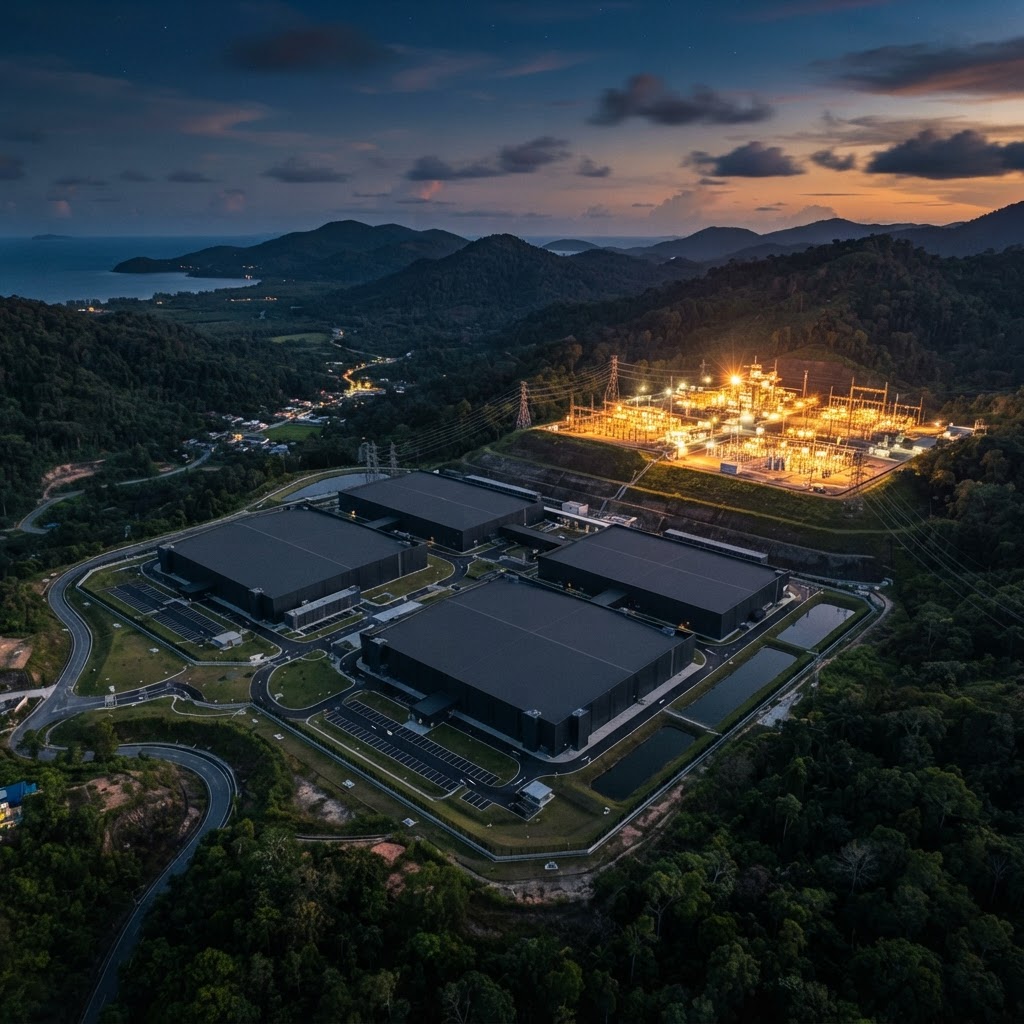
For years, a data centre's hiring timeline followed a predictable rhythm: land secured, permits approved, steel goes up, then jobs get posted for commissioning and operations. In Singapore, Johor, and increasingly other tier-one APAC markets, that sequence is breaking down. The binding constraint on when a facility actually opens is no longer concrete or cabling — it's grid capacity. If you're evaluating a role at one of these sites, that changes what you should actually be watching.
Why the groundbreaking ceremony doesn't tell you much anymore
A facility can be structurally complete — walls up, MEP installed, ready to run — and still sit unenergised for months. Property intelligence firm Area Market Intelligence has found that in constrained markets, grid connection approvals rather than electricity generation itself are the real bottleneck:
- some electricity and water approvals in Johor have taken up to 18 months
- Johor rejected roughly 30% of new data centre applications in a single stretch over misaligned utility timelines and infrastructure readiness
- In Singapore, the constraint is even more explicit — utilities have told operators there's no power available to them before 2028.
That means the old signal for judging whether a role is a safe bet — how advanced the physical build looks — no longer works. A shell that looks finished can still be a year or more away from actually running, and a project with a confirmed grid allocation can be a safer bet than one with a more impressive-looking building and no firm power commitment.
What this actually changes if you're evaluating a role
Hiring windows are compressing, not lengthening. When an energisation date only firms up late in a project's life, employers who need to staff it can't afford long, multi-stage hiring processes — which generally means faster decisions once a role is actually posted, but also less warning before it opens. If you want in on these roles, being ready to move quickly on an application matters more than it used to.
Contract and bench-style roles are becoming a normal way into this market, not a downgrade. Some operators are shifting toward staffing-partner and contract arrangements so they can scale technical headcount up or down as grid timelines shift, rather than carrying full permanent headcount through a delay. If you're open to it, this can be a genuinely useful way to get exposure across multiple sites and operators rather than betting your next year on one project's power timeline.
Being open to moving between markets is a real asset here. If a project in one market stalls on power while a comparable one nearby gets its grid allocation first, professionals who were mobilising for the delayed site are often a natural fit for the one that's moving. Candidates and technicians who track power-approval news across a few neighbouring markets, rather than just one city, put themselves in a better position to get redirected onto a live project instead of sitting on a stalled one.
The new line on your CV: energy literacy
Power-constrained deployment is changing what "operationally ready" means for facility engineers and operations staff. It's not that the job title changes — it's that the facilities you'd be staffing are more likely to run in hybrid power configurations while grid capacity catches up, using on-site generation, storage, or demand-response arrangements as bridging solutions. Being able to speak knowledgeably about power procurement constraints — not just uptime and cooling — is becoming a real differentiator in these markets, not just a nice-to-have.
How to actually read a role before you accept it
The signal worth paying attention to isn't the groundbreaking announcement — it's the power story behind it. Before you accept a role at a facility in a constrained market, it's worth asking directly: has this site secured a firm grid allocation and interconnection date, or is that still being negotiated? A confirmed allocation is a materially safer bet for your own timeline and job security than an impressive-looking build with an uncertain power story — regardless of how far along construction looks.
Bottom line
In Singapore, Johor, and other power-constrained APAC markets, availability of grid capacity — not construction progress — now decides when a facility actually opens, and that has real consequences for anyone evaluating a role there: shorter hiring windows once things move, more contract and bench-style opportunities, and a real premium on being able to speak to power constraints as well as uptime and cooling. Watching the power story, not the groundbreaking ceremony, is the more reliable way to judge whether a role is actually going to become real work on the timeline you're expecting.
Looking for a role at an operator with a real deployment timeline behind it? Browse current opportunities on DC Jobs.
Related articles

Japan's Institutional Pivot: What the Shift from Hyperscale to Institutional Capital Means for Local Hiring

The $800 Billion Question: Which APAC Markets Will Win the Data Center Talent War?